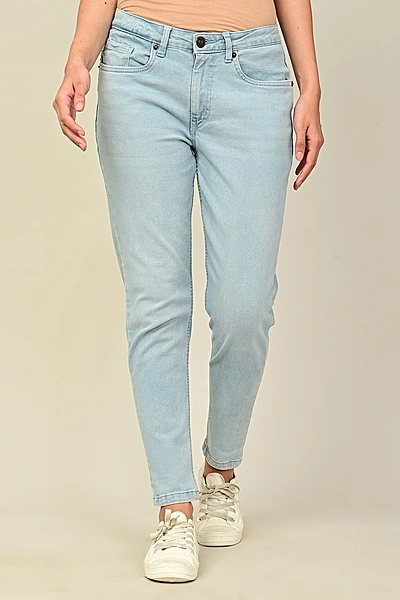
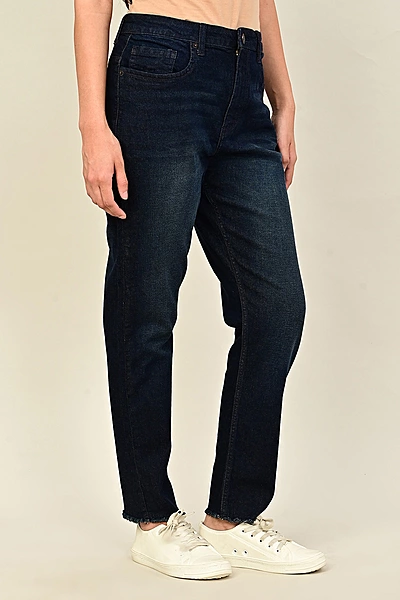
You may wonder how denim can possibly belong in an office setting. That question only exists until you understand its evolution and its versatility. Denim was never designed to sit still. Since the 1800s, it has adapted to work environments, social shifts, and cultural revolutions. From miners and railroad workers to boardrooms and creative studios, denim has consistently evolved without losing its structure. The real question isn’t whether denim works for office wear. It’s whether we’ve understood how to wear it right.
A Fabric Built for Function (Since the 1800s)
Denim’s origins trace back to durable cotton twill fabric used for labor-intensive work in the late 19th century. Reinforced seams, rivets at stress points, and tightly woven cotton made it resilient.
Its design principle was simple:
Withstand pressure. Allow movement. Maintain structure. Interestingly, those same principles define modern professional wear:
Durability
Shape retention
Functional mobility
Why Fit Changed Everything
The 2000s made denim casual. The 2010s made it skinny. The 2020s brought back balance. Today, structured straight fits and balanced bootcuts restore denim’s versatility. Why? Because extreme silhouettes limit adaptability. Classic proportions enhance it.
Well-balanced jeans create:
A clean vertical line
Structured posture perception
Compatibility with formal layering
The Psychology of Versatile Dressing
There’s a concept in fashion psychology called enclothed cognition - the idea that what we wear influences how we think and perform. Structured clothing: Encourages upright posture, Signals authority, Enhances perceived competence. Denim with proper structure supports this balance. It doesn’t scream casual. It communicates ease with control. That’s why creative professionals, founders and even corporate leaders increasingly incorporate denim into work wear but styled with intention.9AM: Professional Context:
At 9AM, clothing carries responsibility. It has to look composed before you even speak. It has to signal clarity, structure, and intent. That’s where most people assume denim fails the test. But the truth is, denim doesn’t look unprofessional - unstructured denim does.
A darker wash, free of heavy distressing, already shifts perception. The fabric absorbs light differently, appearing sharper and more deliberate. Pair that with a balanced silhouette, and suddenly denim doesn’t compete with formality - it complements it.
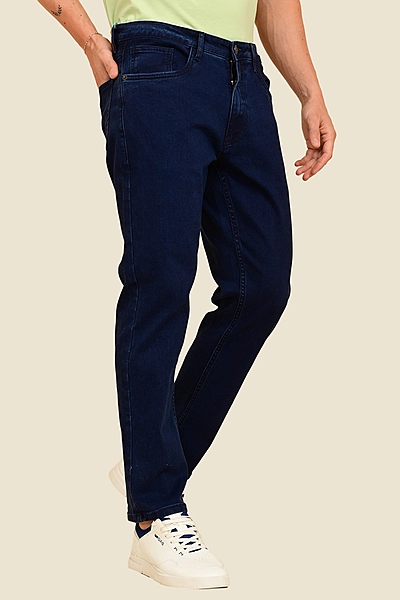
For men, a straight fit holds a clean vertical line from hip to ankle. It doesn’t cling, it doesn’t flare - it simply frames the body in proportion. When worn with a well-fitted shirt and a structured blazer, it mirrors the polish of tailored trousers while allowing more movement. You’re comfortable, but you don’t look relaxed in the wrong way.
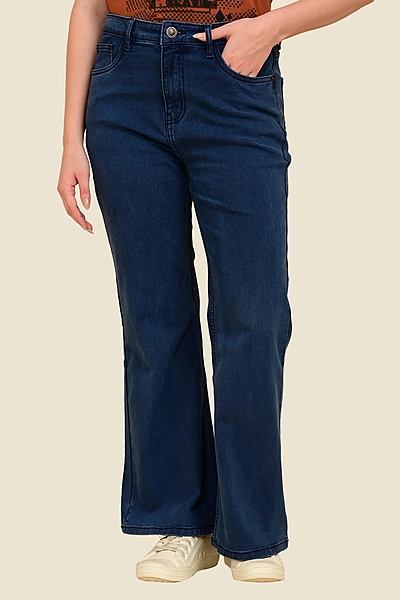
For women, a bootcut denim creates subtle balance. The gentle flare below the knee counteracts hip width and elongates the lower body - especially when paired with even a modest heel. Add a silk blouse or a tailored jacket, and the entire look shifts into something confident yet fluid. It doesn’t feel like you’re trying to make denim work. It simply works.
Professional dressing has evolved. Authority today isn’t rigid - it’s composed.4PM: The Middle of the Day:

By mid-afternoon, comfort begins to matter more.
Meetings are done, emails are endless, and your body has already moved through hours of sitting and standing. This is where denim’s original purpose quietly shines. It was engineered for mobility long before it was adopted by fashion.
Unlike heavily structured trousers that can feel restrictive by this point, well-constructed denim adapts. It retains its shape without collapsing. It moves without losing form.
The straight fit on men continues to look neat even after hours of wear. It doesn’t wrinkle aggressively. It doesn’t lose its line. For women, the bootcut maintains its drape, the flare still falling naturally rather than stiffly.
The difference is subtle but powerful: you look as put-together at 4PM as you did at 9AM.
That consistency builds confidence.9PM: Social Transition:
Evening plans rarely allow for a full outfit change. And that’s where denim truly proves its versatility. A blazer comes off. Sleeves roll up. Accessories shift. And suddenly, the same jeans feel entirely different.
Straight fit denim, paired with a fitted tee or lightweight jacket, feels intentional - not overdressed or under dressed. It carries structure into a more relaxed setting without feeling corporate.
Bootcut denim, when paired with a statement top or something softer and flowy, starts to feel alive. The flare adds rhythm to your walk. It catches light differently. It feels expressive.
Nothing about the jeans changed. Only the context did. And that’s the point.The Bigger Picture:
Denim has survived since the 1800s because it was never confined to one role. It began as work wear. It became a cultural identity. It turned into rebellion. And now, it sits comfortably between professionalism and personal style.
What makes it office-appropriate today isn’t trend - it’s intention.
The right wash sharpens the look.
The right fit balances proportion.
The right styling defines the environment.